


Blog
Finally, technology allows me to turn the study notes into digestible posts that serve me as short reminders of the materials I’ve gone through over all these detailed courses. It’s an archive of materials I studied with the LLM, condensed into digestible chunks.
Latest Posts
Portfolio

Simulations
Explore the courses I’ve taken in simulations: summaries of each module, and links to my homework and assignments.

Data Science
Here I’ll showcase my upcoming data science projects as I delve deeper into the field.
ResumÉ
Track my professional journey, from past projects to the various roles I’ve held. See how each experience has shaped my skills and contributed to my growth as an engineer.
Companies I worked for:


Universities I graduated:


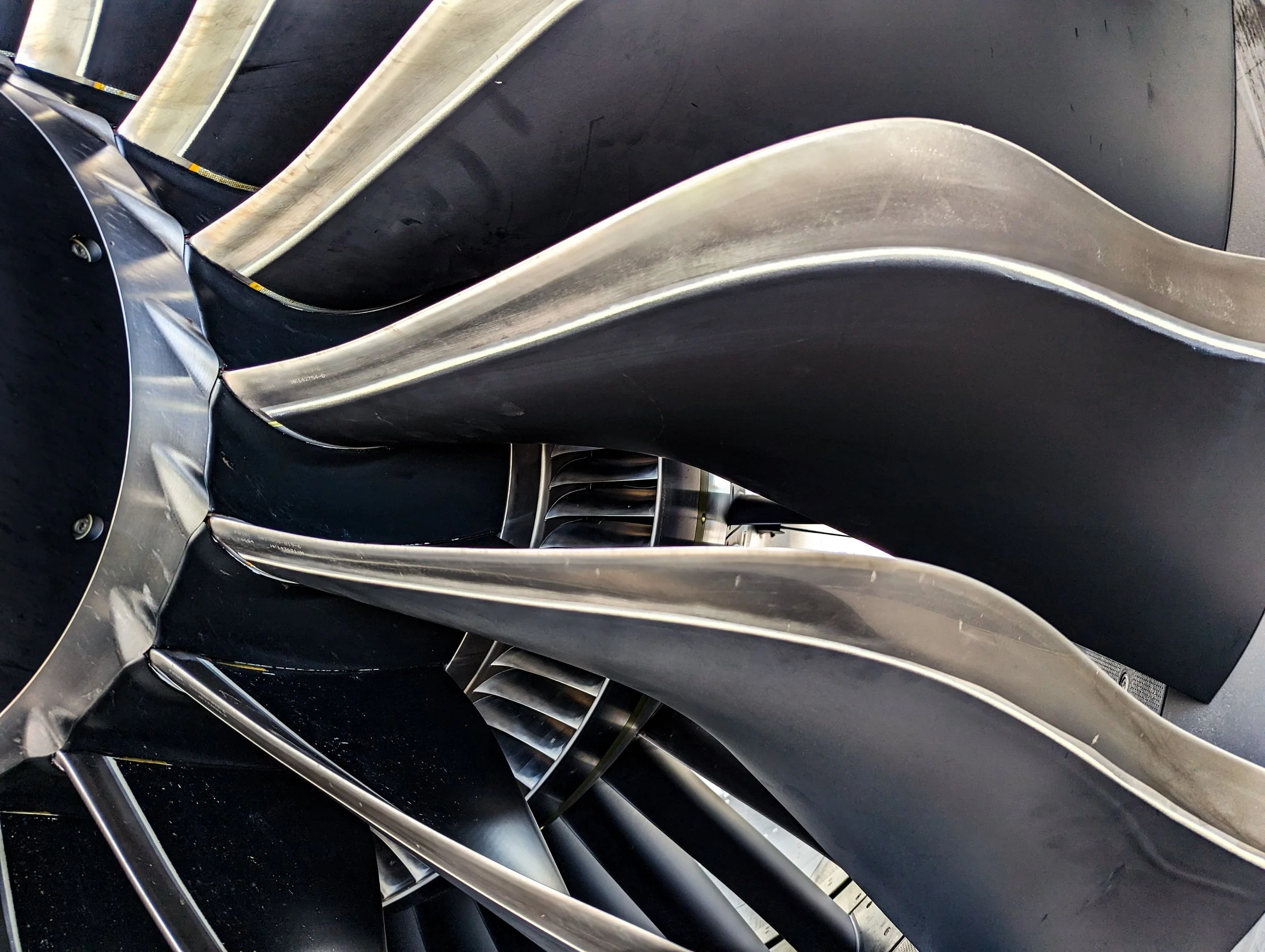
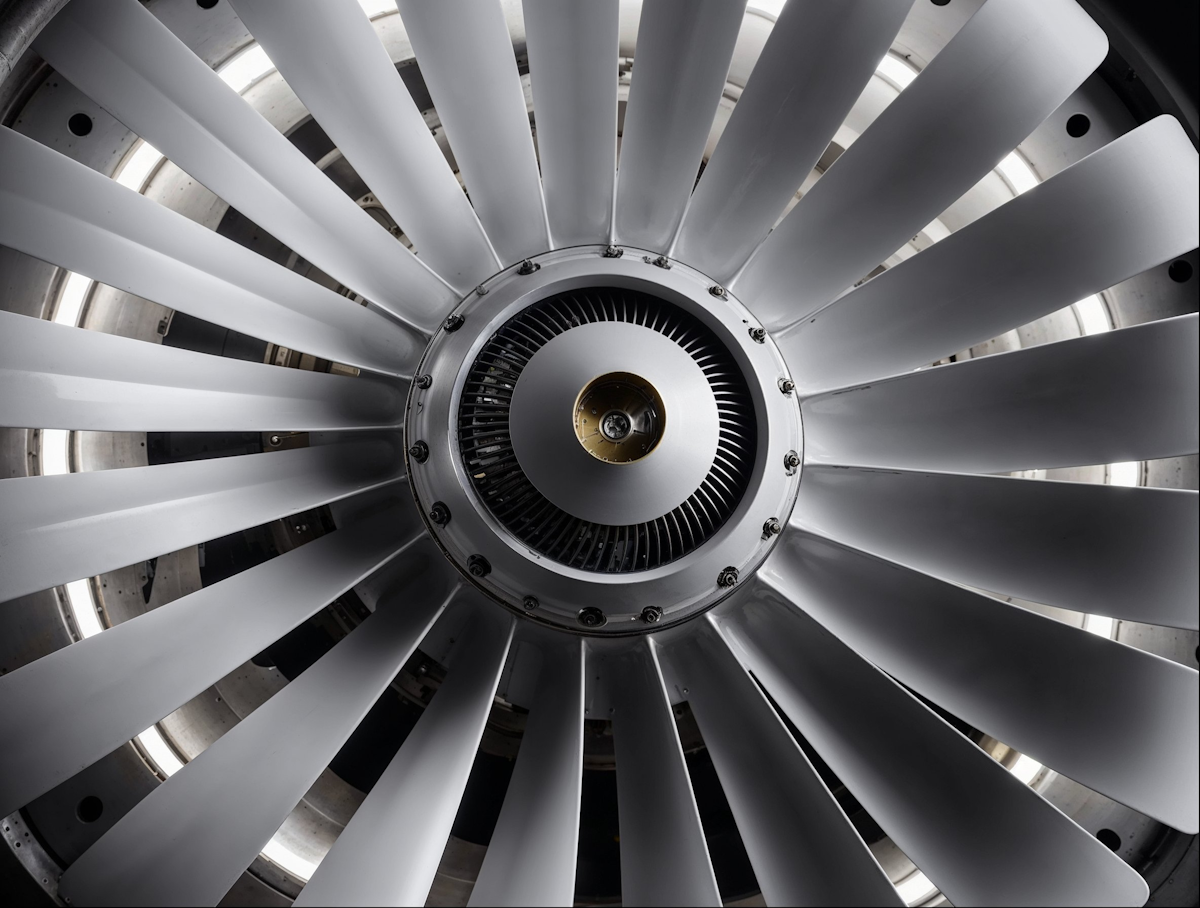
Explore the fundamental equations and numerical principles behind turbomachinery CFD, from rotating reference frames, angular momentum, and rothalpy to turbulence modelling and boundary conditions. Learn how ANSYS TurboGrid transforms complex blade geometry into structured computational meshes, and why mesh topology, refinement, and quality are essential for reliable simulations.